

For centuries, Christians have prepared their hearts for the coming of Christ by singing hymns that express hope, waiting, and the beauty and wonder of the incarnation. Many of these hymns carry a rich background and reflect a well-known Christian heritage.
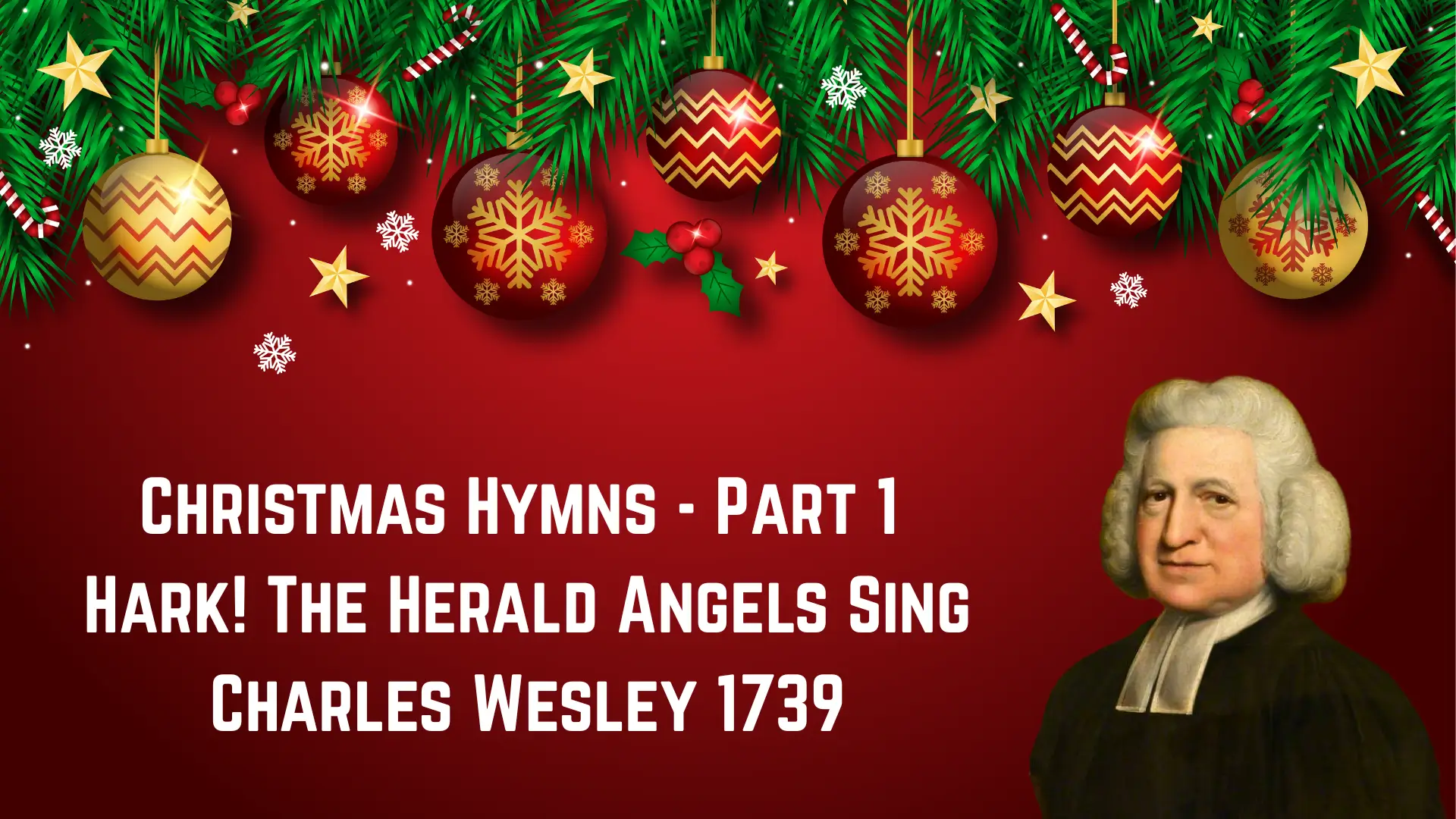
Charles Wesley, the younger brother of the more famous John Wesley, wrote this hymn in 1739. Both Wesley brothers were influential figures in the Great Awakening in the 18th century. John was best known for his powerful preaching and organizing work in the founding of the Methodist movement. Charles was more known for his literary gifts and his work in writing hymns.
Originally penned with the title Hymn for Christmas Day, it began with the very different line, “Hark! How all the welkin rings.” “Welkin” was an old English word for sky or heavens, which sounded off with joyful praise at the birth of the Savior. For some time, the hymn did not gain traction with the public, and over time, small modifications were made by various individuals.
In 1753, the great evangelistic preacher George Whitefield revised Wesley’s opening line into the now familiar, “Hark! The herald angels sing.” Nearly a century later, through providential events, the tune we sing today was adapted from a piece by Felix Mendelssohn. In 1840, the German composer Mendelssohn wrote a rousing melody to celebrate the 400th anniversary of Gutenberg’s printing press. It was intended for a celebration of national and civic progress in human achievement.
Sometime in the 1850s, English musician William Hayman Cummings wove the two unlikely elements together, and a perfect balance was struck. The hymn took off, spreading from Britain outward to the rest of the world. A Christmas tradition was born that would not soon be forgotten.
This hymn is a beautiful summary of the incarnation. It proclaims God made flesh, the second Adam, the Prince of Peace, and the One who brings sinners to God. It is Advent theology in song. Next time you sing this hymn in worship, sing it with a heart full of gratitude and with a loud, roaring voice.
Follow this link to hear Martyn Lloyd-Jones and Westminster Chapel sing this hymn in 1964. https://youtu.be/X53CpgtOsOI?si=keMS3l2h7eL_gyDN