

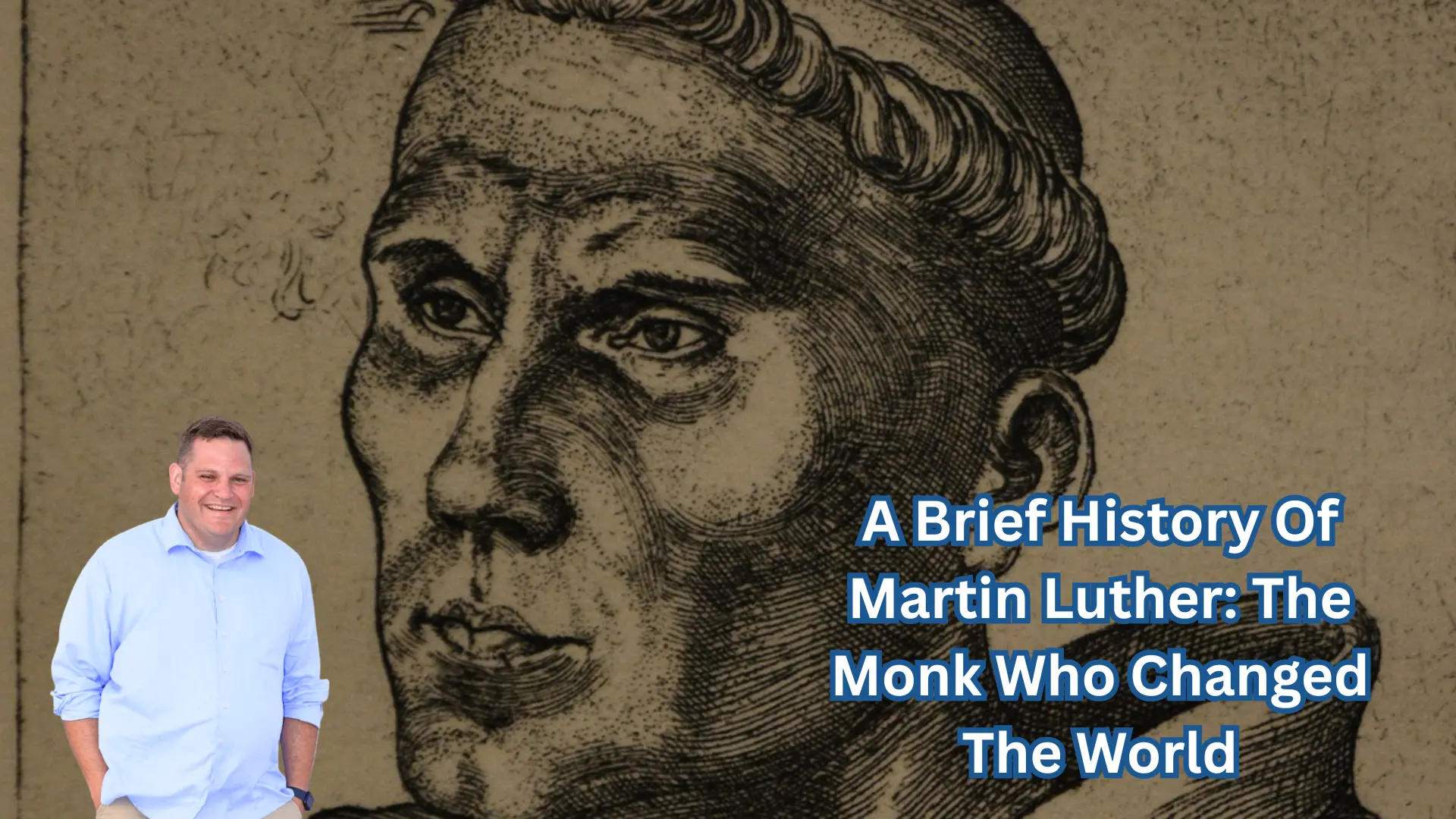
On October 31, 1517, Martin Luther set off an earth quake that would reorder Christendom with a few taps of a hammer and with a postage stamp.
A major question during the Reformation was the source of God’s revelation. Instead of seeing Scripture alone as the final authority, there arose the view that Scripture and church tradition were two equal sources of God’s revelation.
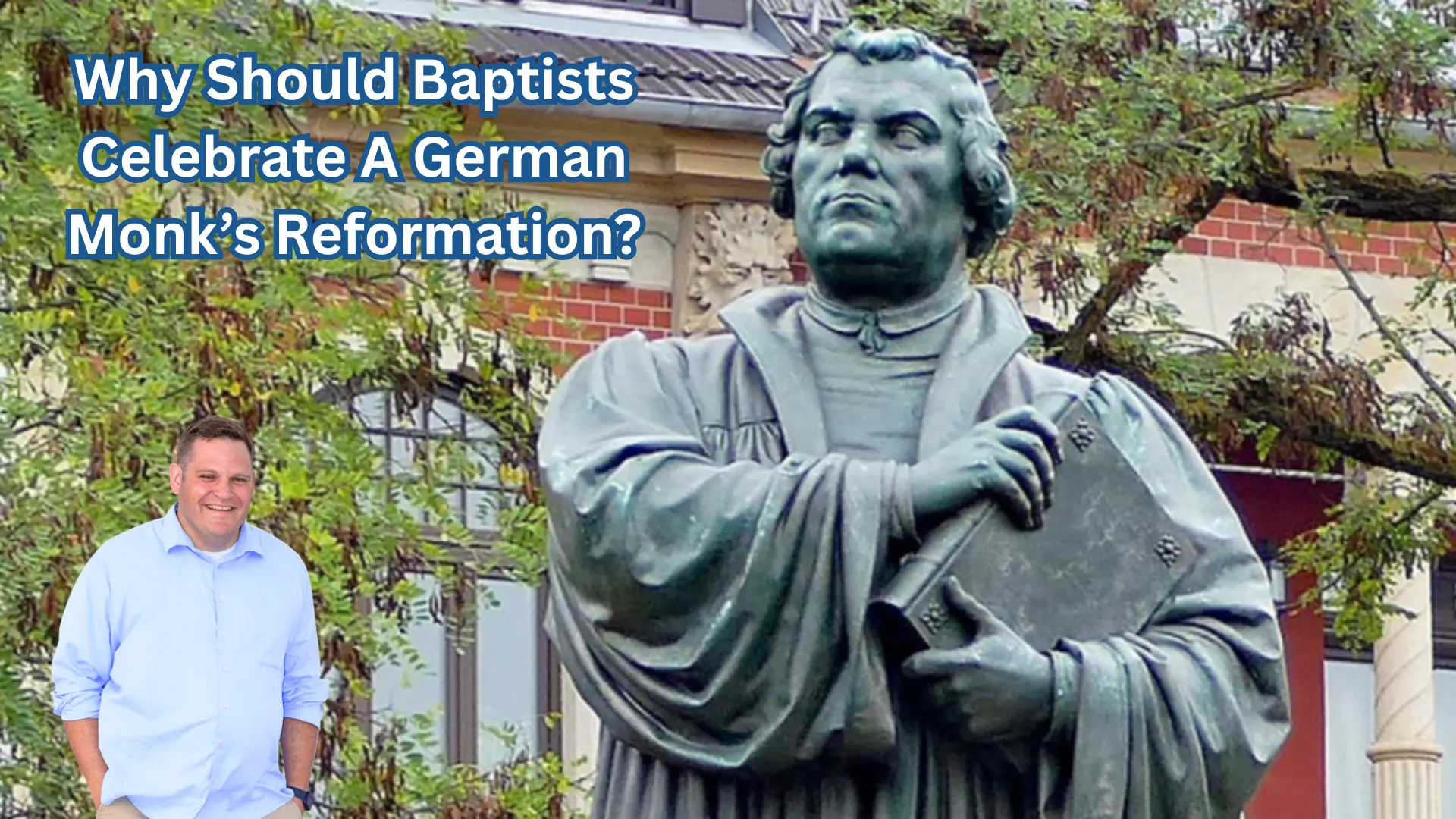
Martin Luther accidentally drove a nail into the heart of the Roman Catholic Church on October 31, 1517.
Once he understood that we are not saved by our own works, but by the very works of Christ, he finally understood the good news of the gospel.
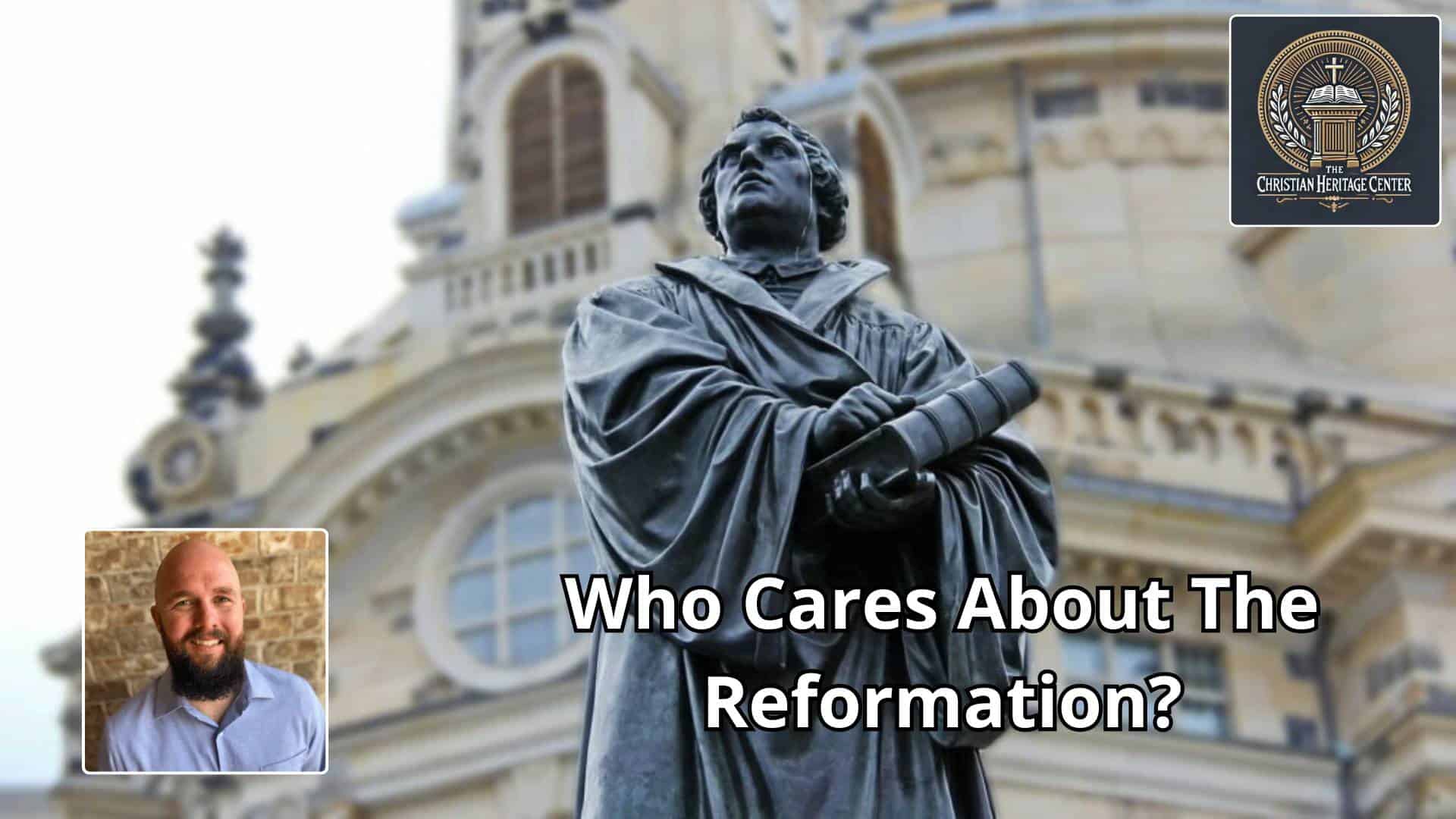
But, someone might ask, “Who cares? How does studying something that happened over 500 years ago affect my life today?”
I once heard an old preacher say that the Bible should be studied with both a microscope and a telescope. He meant that we needed to get both the big picture by reading Scripture broadly, but also do in-depth study of specific passages.
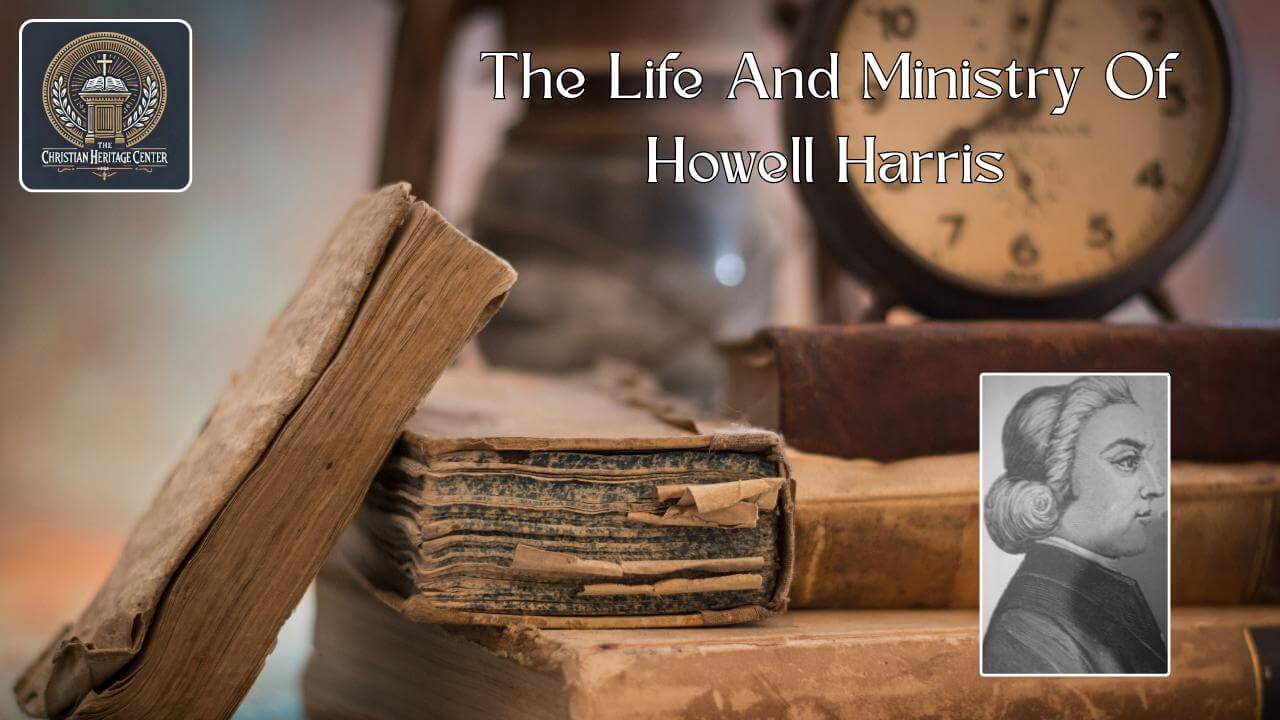
Howell Harris (1714-1773) was one of the greatest leaders of the Evangelical Awakening and Revival in Wales and England in the mid-1700s.

There are, and always have been, those in the church who devalue doctrine and growing in knowledge. In their desire to be practical, they dismiss theology.
He longed to see people grow both in their knowledge of the great doctrines of the Bible and in an intimate experiential knowledge of the Lord.

In an era when expository preaching was considered an outdated mode of communication and the Bible was considered an irrelevant book, Martyn Lloyd-Jones restored to the pulpit expository preaching of Scripture.
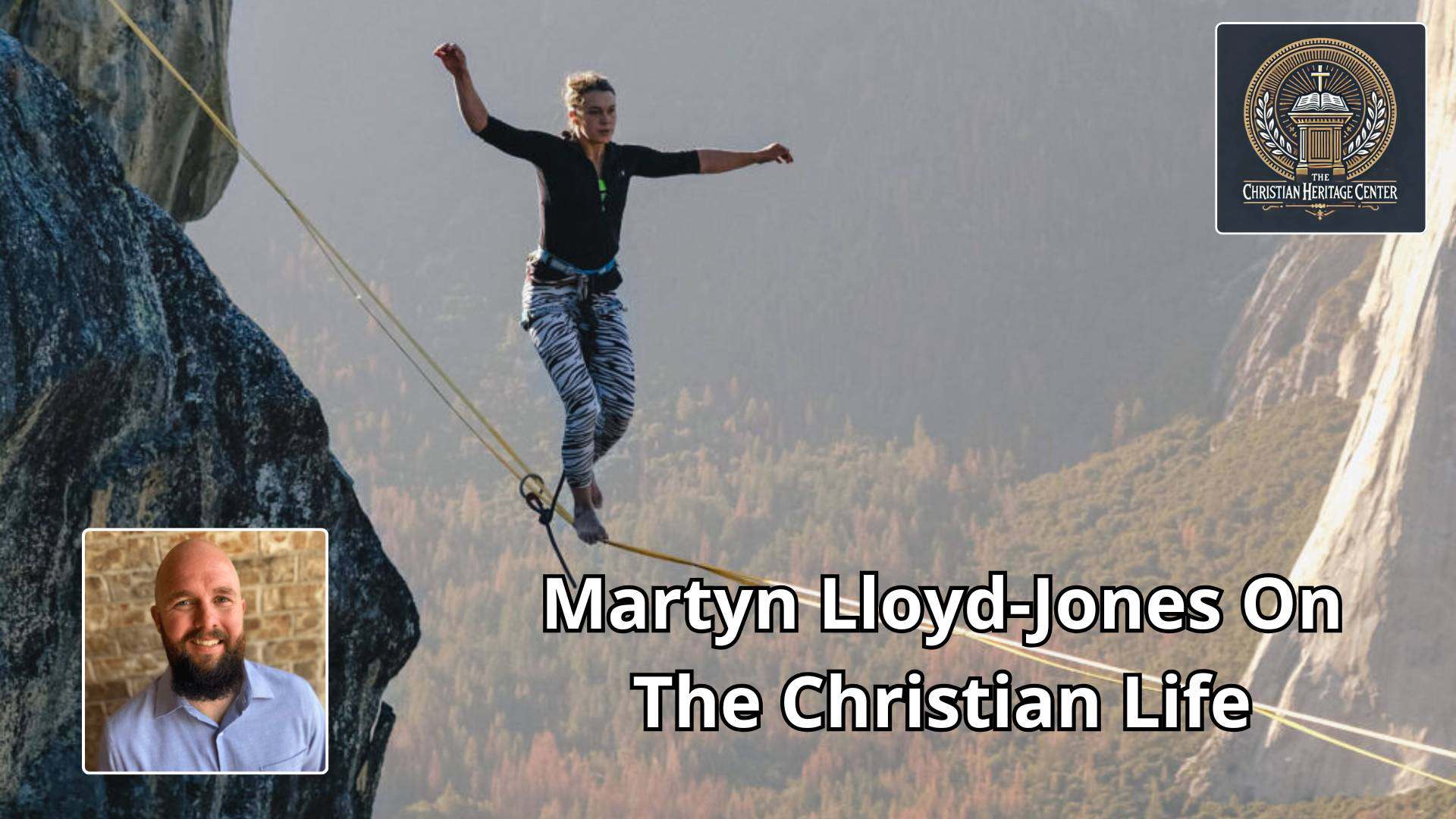
Tightrope walkers amaze me. I marvel at the ability to concentrate and balance on such a small wire while certain death awaits the slightest mishap.
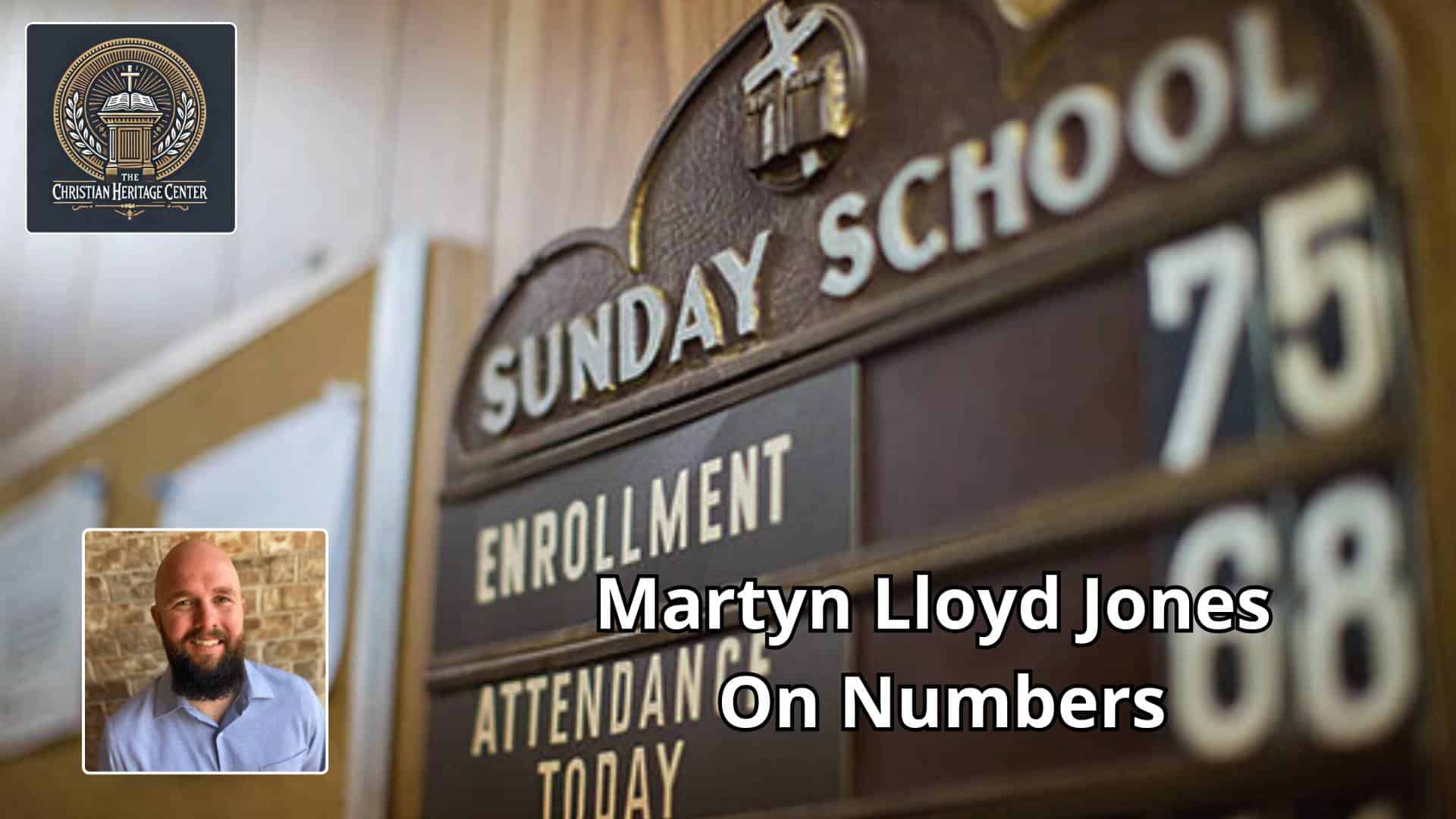
At a Westminster Chapel discussion group in 1944, the topic of numbers came up and many were concerned.