
The Reformation was the work of God—bringing His people back to the truth of the gospel and, through it, reforming His church.
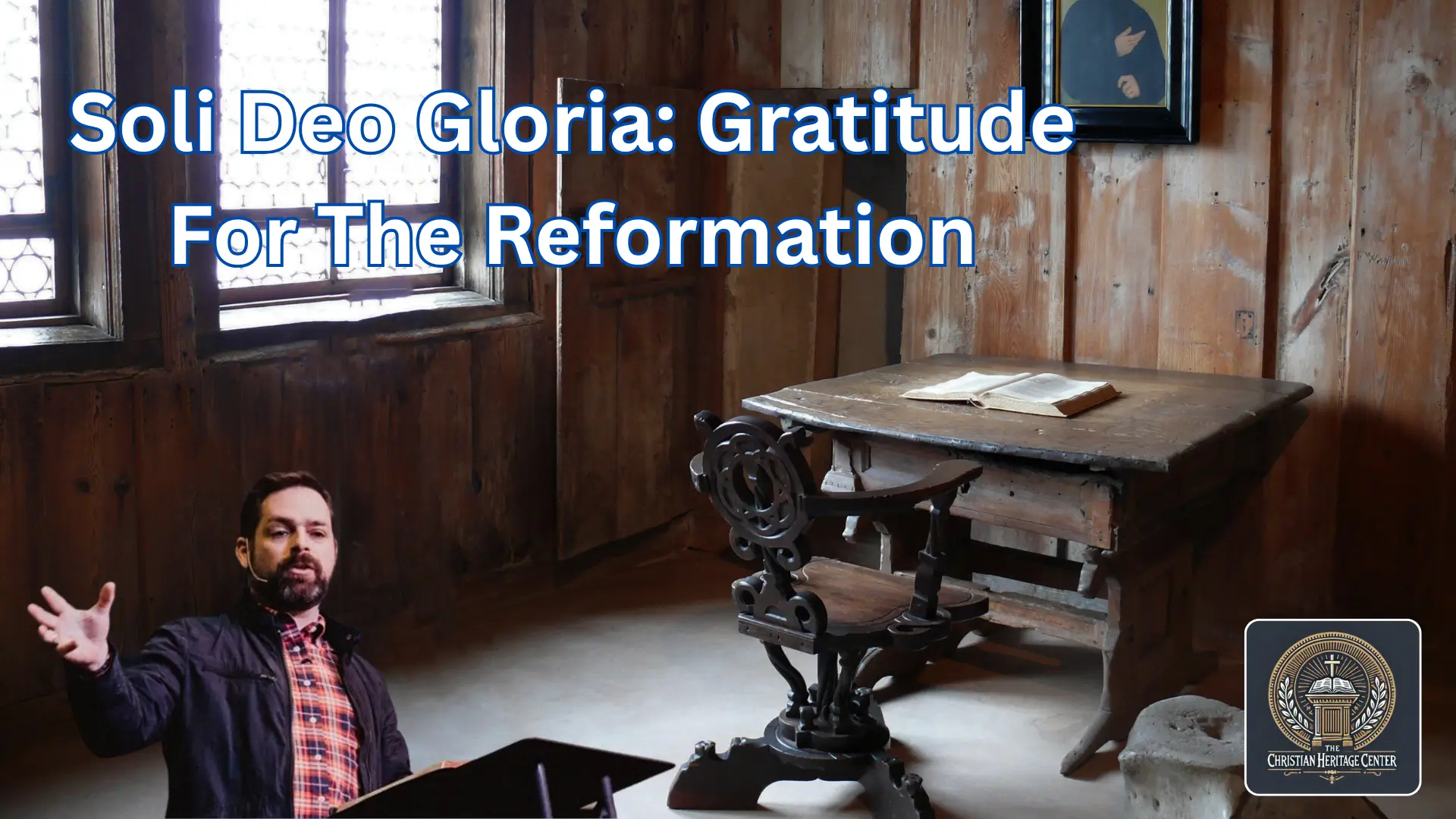
The final sola is the great underlying reason behind the importance of the first four. The Reformers knew the Biblical truth that: “from him and through him and to him are all things.
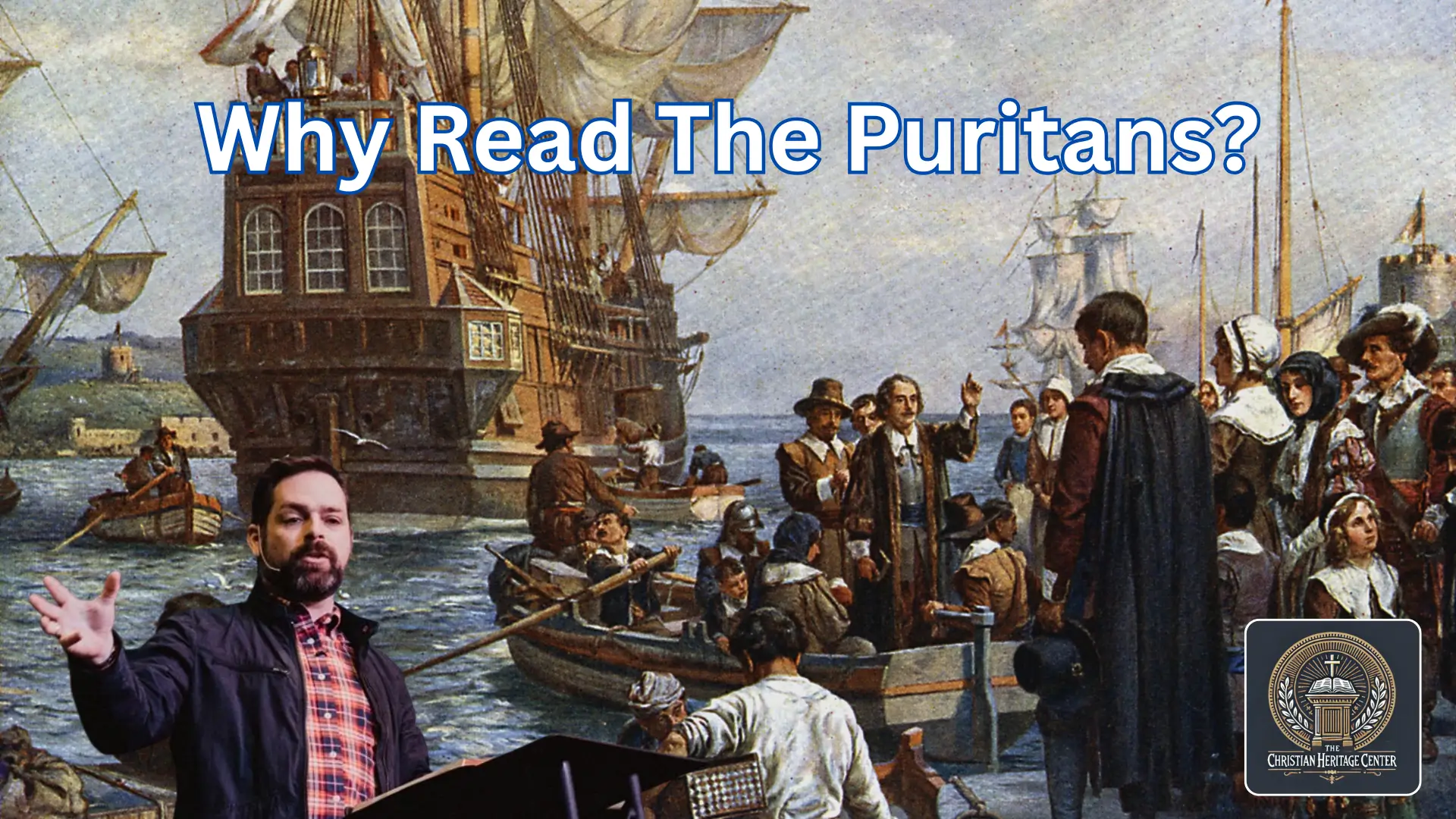
The Puritans were the 16th-century English Protestants and their successors in 16th-17th-century New England, whose concern for church reform and spiritual renewal earned them the originally derogatory epithet, “puritan.”
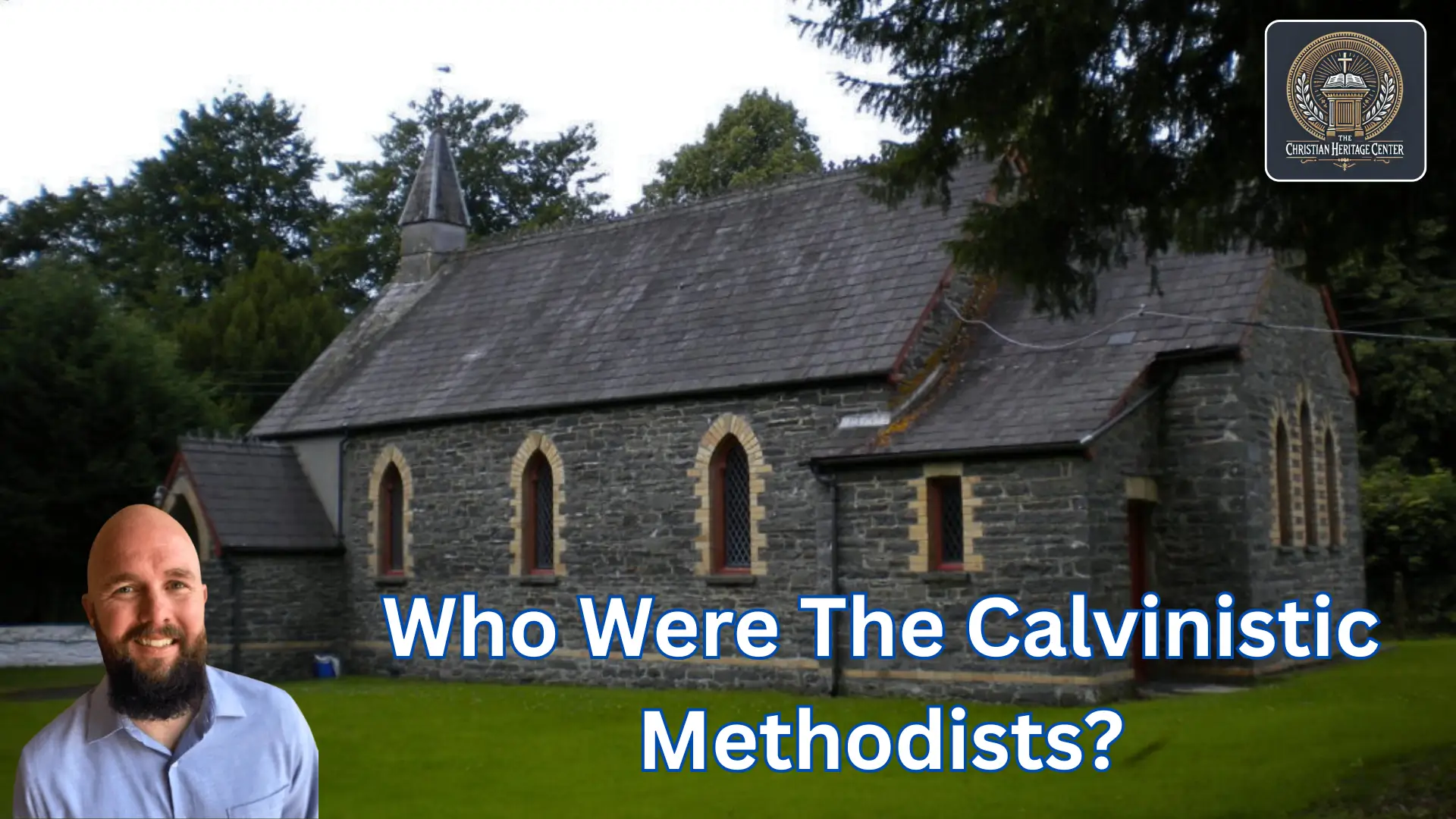
Methodists, according to Lloyd-Jones, also emphasized new life. There was an emphasis on the doctrine of regeneration and rebirth, something that was not as common in the time period when Methodism was born.
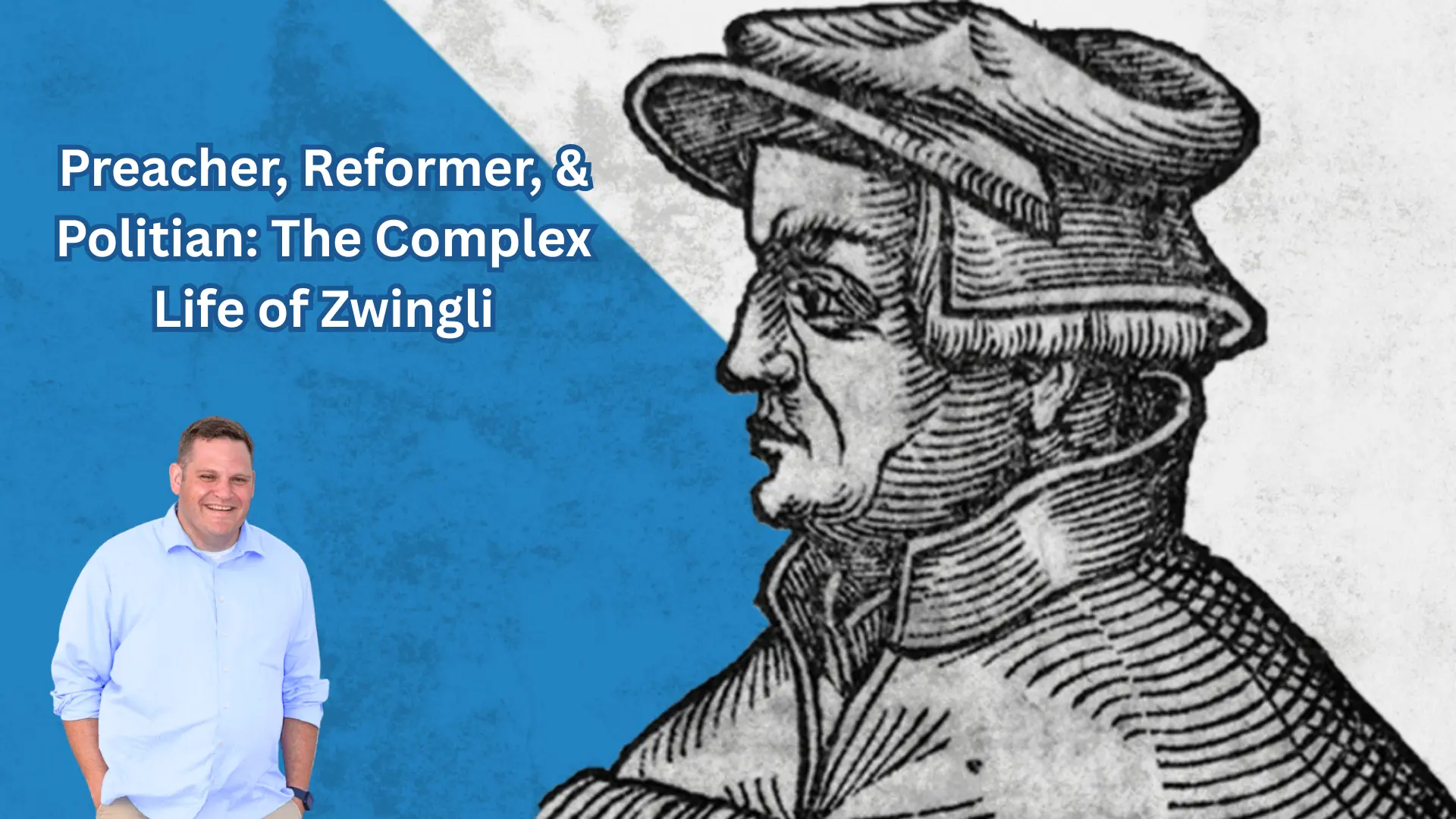
Huldrych Zwingli (1484-1531) was a key figure in the Swiss Protestant Reformation and the founder of the Swiss Reformed Church.
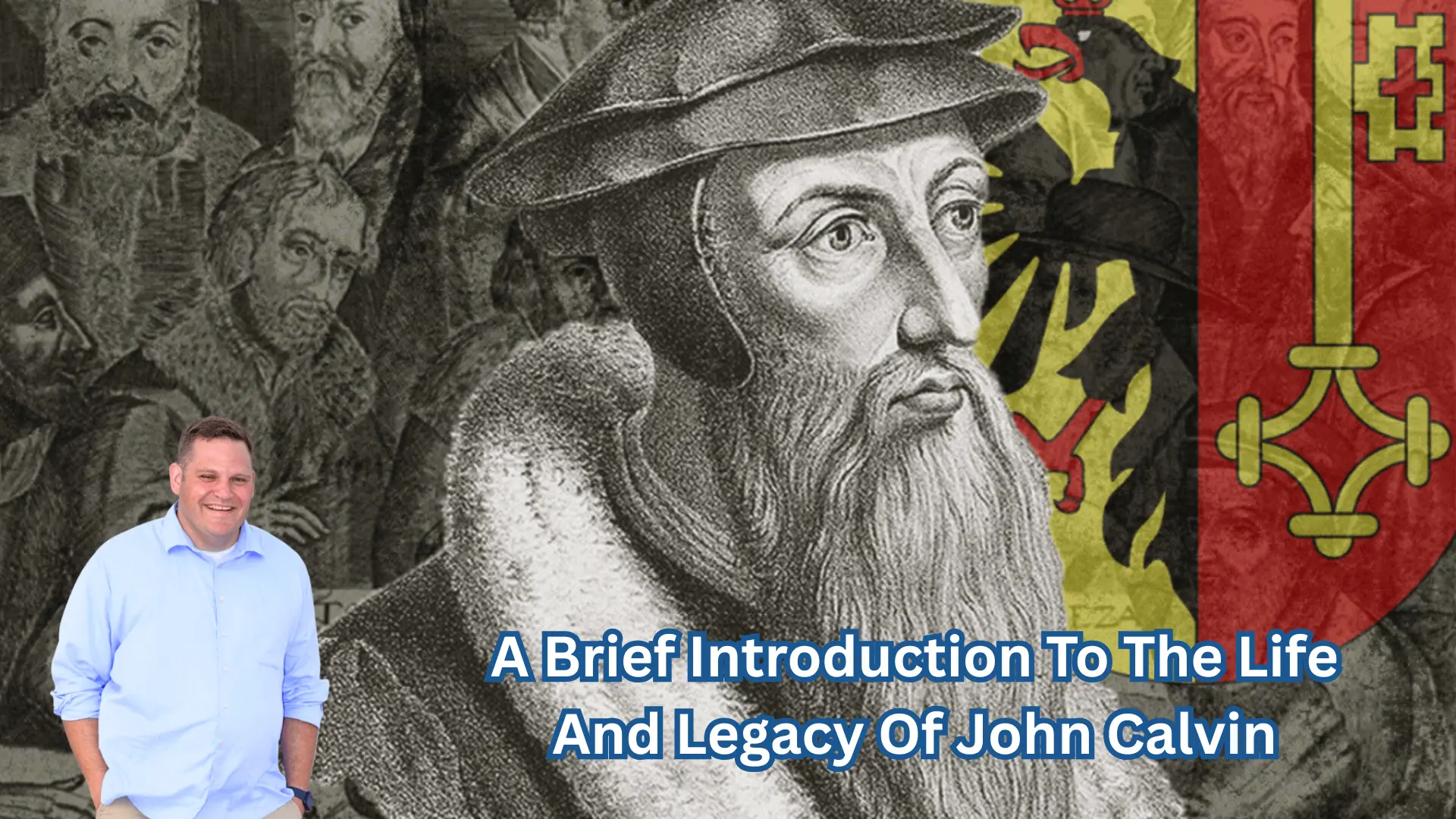
On November 1, 1533, theological controversy erupted once again in connection with All Saints Day. But instead of Germany, this drama occurred in Paris, France.
Books are some of the best friends a pastor can have. How to know which friends to have is quite difficult, for as the inspired Preacher said, “Of making many books there is no end” (Ecclesiastes 12:12).
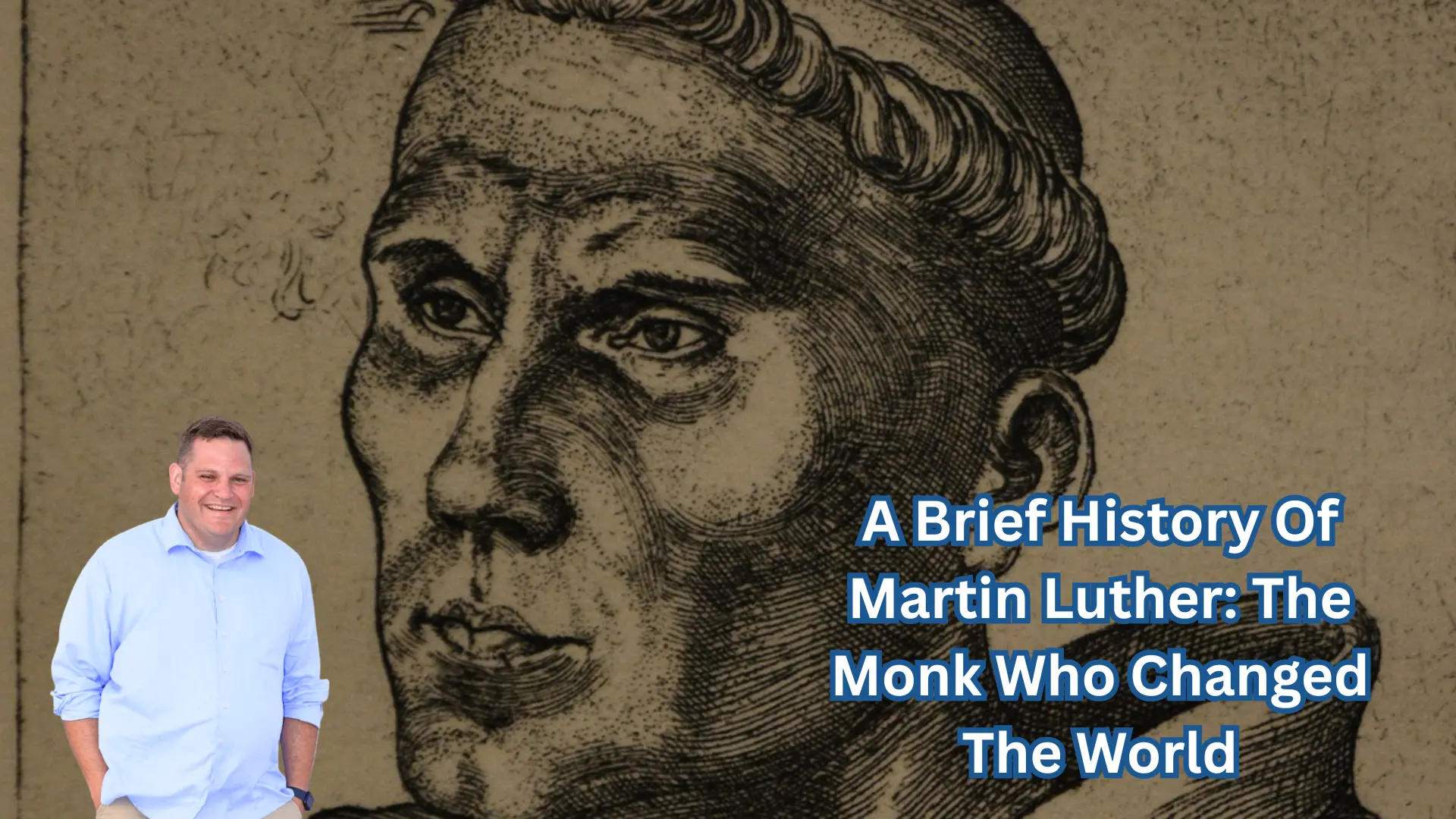
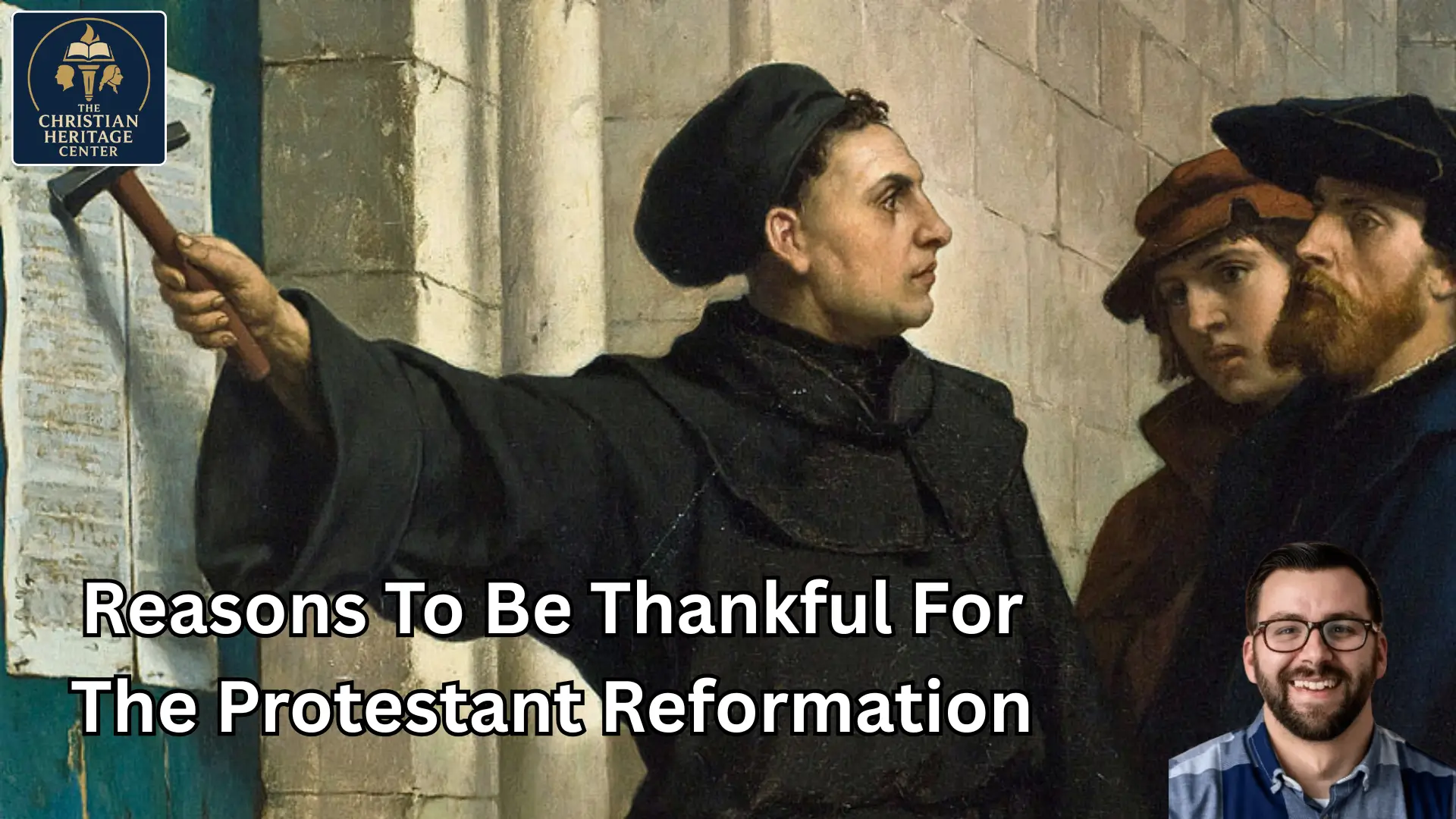
On October 31, 1517, Martin Luther set off an earth quake that would reorder Christendom with a few taps of a hammer and with a postage stamp.
A major question during the Reformation was the source of God’s revelation. Instead of seeing Scripture alone as the final authority, there arose the view that Scripture and church tradition were two equal sources of God’s revelation.
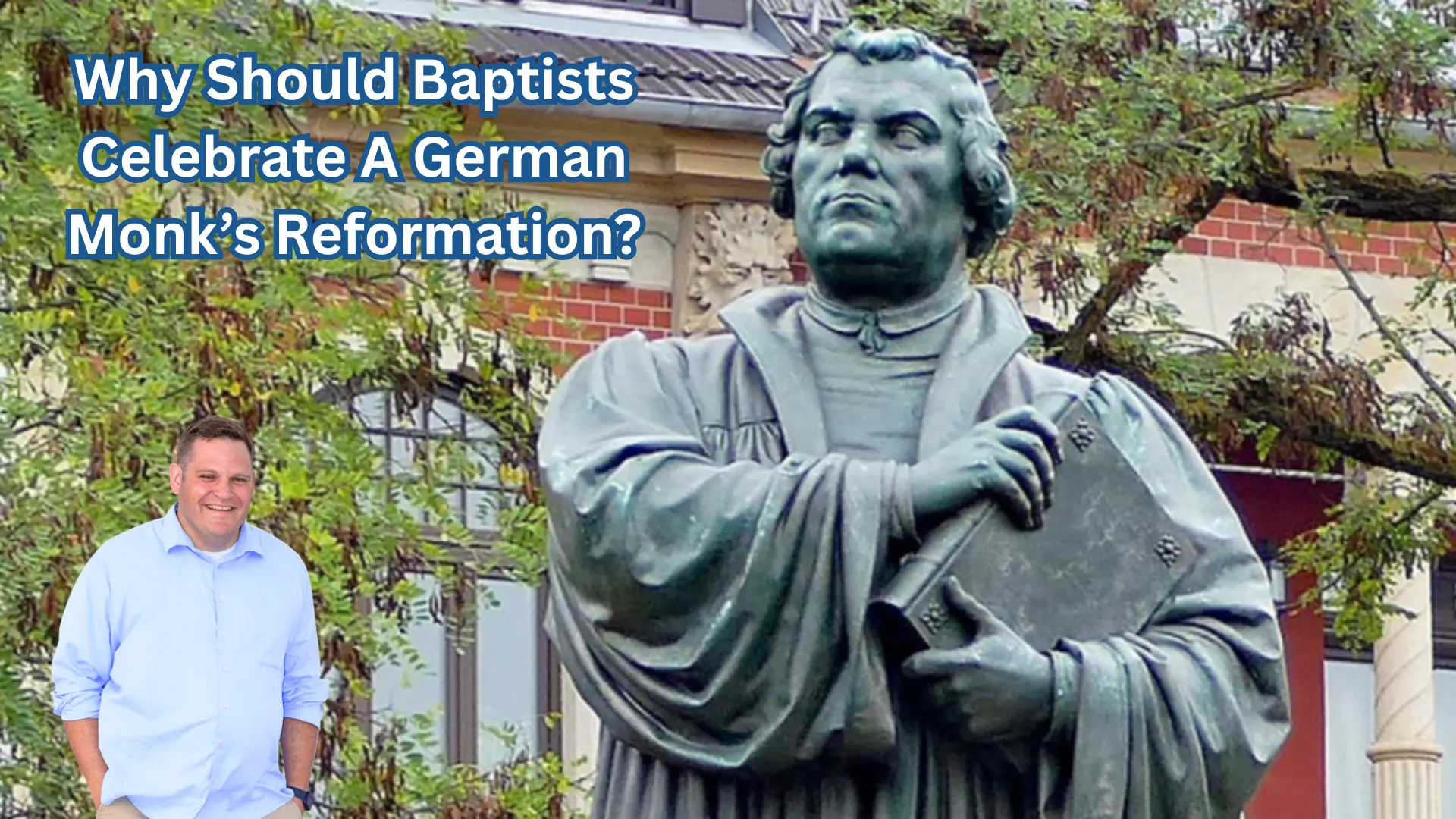
Martin Luther accidentally drove a nail into the heart of the Roman Catholic Church on October 31, 1517.
Once he understood that we are not saved by our own works, but by the very works of Christ, he finally understood the good news of the gospel.
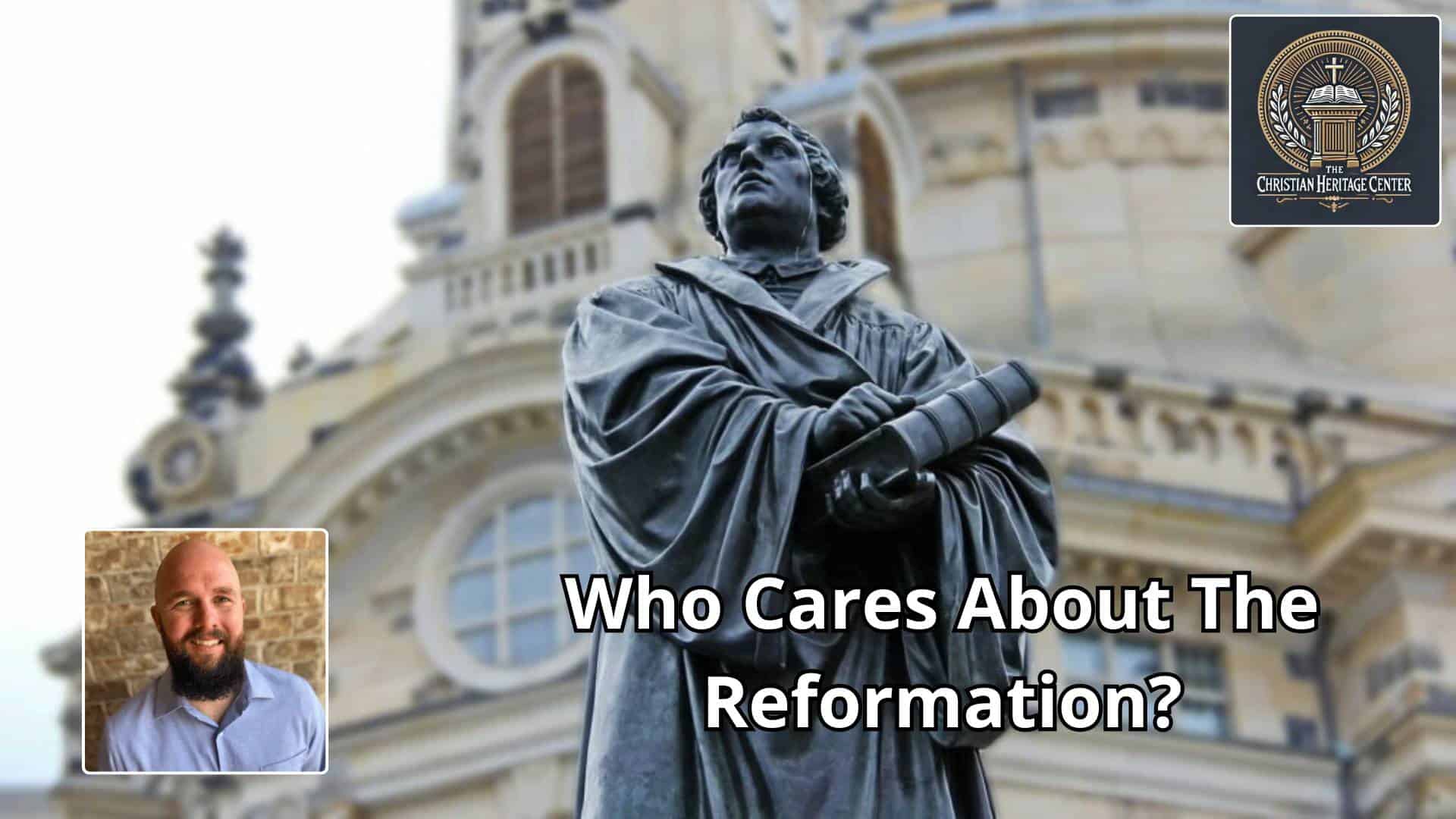
But, someone might ask, “Who cares? How does studying something that happened over 500 years ago affect my life today?”